
MORE
Understanding Our Emotions and Finding Balance
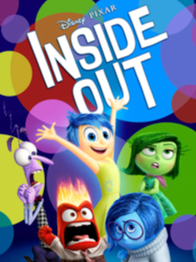
Movies have the power to do more than entertain—they can teach us valuable lessons about life, relationships, and personal growth. “Inside Out” (2015), the animated masterpiece from Pixar, is a perfect example of a film that goes beyond storytelling to offer deep insights into the human experience. Through the emotions of Joy, Sadness, Anger, Fear, and Disgust, the film provides an engaging and thought-provoking way to understand our feelings and the role they play in shaping our lives.
At its core, “Inside Out” is about emotions—how they influence our actions, how they evolve, and how they work together to create a balanced and healthy mindset. The film follows Riley, an 11-year-old girl who struggles with a major life transition when her family moves to a new city. Inside her mind, her five core emotions—Joy, Sadness, Anger, Fear, and Disgust—guide her through this challenging time. Each emotion has a distinct role in protecting her well-being, but it isn’t until the end of the film that Riley (and the audience) fully realizes the importance of all emotions, including sadness.
For much of the movie, Joy tries to keep Riley happy at all costs, pushing Sadness aside and preventing her from influencing Riley’s thoughts. This reflects how many of us approach our emotions—we celebrate happiness but avoid sadness at all costs. However, the turning point of the film comes when Joy realizes that Sadness is necessary for Riley’s healing. By allowing herself to feel sad and express her emotions, Riley reconnects with her parents and begins to process the changes in her life.
It’s okay to feel sad. Instead of dismissing or ignoring sadness in children, parents can encourage open discussions about their emotions, helping kids understand that expressing sadness is a natural and healthy part of life.
Riley’s struggles stem from a major life change—moving to a new city, leaving her friends behind, and feeling out of place in an unfamiliar environment. Her emotions reflect this struggle, showing how deeply transitions can impact children (and adults). Change is inevitable, but as *Inside Out* demonstrates, embracing emotions during difficult times can make the transition smoother.
Parents can help children navigate change by validating their emotions rather than minimizing them. Instead of saying, "You’ll be fine!" or "It’s not a big deal," acknowledging their feelings—"I know this is really hard for you, and that’s okay"—can make a world of difference.
One of the film’s most visually stunning elements is its depiction of memories—each one colored by an emotion. Joy believes Riley’s happiest memories are the most important, but by the end, she learns that many memories are a mix of joy and sadness. This powerful message highlights the complexity of our experiences and the way our emotions shape the way we remember things.
Encouraging children to talk about their memories and emotions can help them process experiences in a healthy way. Whether it’s discussing the best part of their day at the dinner table or keeping a journal of feelings, these small practices can foster emotional intelligence and self-awareness.
One of the most heartbreaking moments in the movie is when Riley suppresses her emotions and tries to deal with everything on her own. She becomes withdrawn, disconnected, and eventually runs away. It’s only when she finally opens up to her parents and allows herself to be vulnerable that she starts to heal.
Teaching kids that it’s okay to ask for help is crucial. Whether it’s confiding in a parent, teacher, or friend, knowing they don’t have to navigate difficult emotions alone can make a significant difference in their well-being.
“Inside Out” is more than just a children’s movie—it’s a guide to understanding emotions and fostering emotional resilience. Parents can use the film as a conversation starter to discuss feelings with their kids, helping them recognize that all emotions are valid and necessary.
“Inside Out” is a heartwarming and insightful film that offers lessons not just for children, but for parents and caregivers as well. It reminds us that emotions, no matter how challenging, serve a purpose and that embracing them all—joy and sadness alike—leads to a more balanced, emotionally healthy life. Next time you watch “Inside Out”, take a moment to reflect on how you approach emotions in your own family. What lessons can you take from Riley’s journey and apply to your own life?
By embracing emotions and teaching kids to navigate them with understanding and openness, we can help build a generation of emotionally intelligent and resilient individuals.
Inside Out © 2015 Disney/Pixar. All rights reserved. Used for editorial and educational commentary purposes only.
Think this article is useful? Share it with others.
How likely are you to recommend our website to a friend or family member?
Please choose one of the following options
Attention, readers! We would love to review articles written by residents of the communities we serve. If you think you have a great idea for an article or have already written an article and would like to share it with us, click 'submit' to upload your article for consideration
Parent LivingPlus is more than just a business directory, event calendar, or job board — we’re a virtual community center. We're the place to come when you want to explore your neighborhood and get the most out of the time you spend with your friends and family!



Check out these sponsored business listings.
 Facebook
 Email
Email