KEEPING YOUR FAMILY ACTIVE
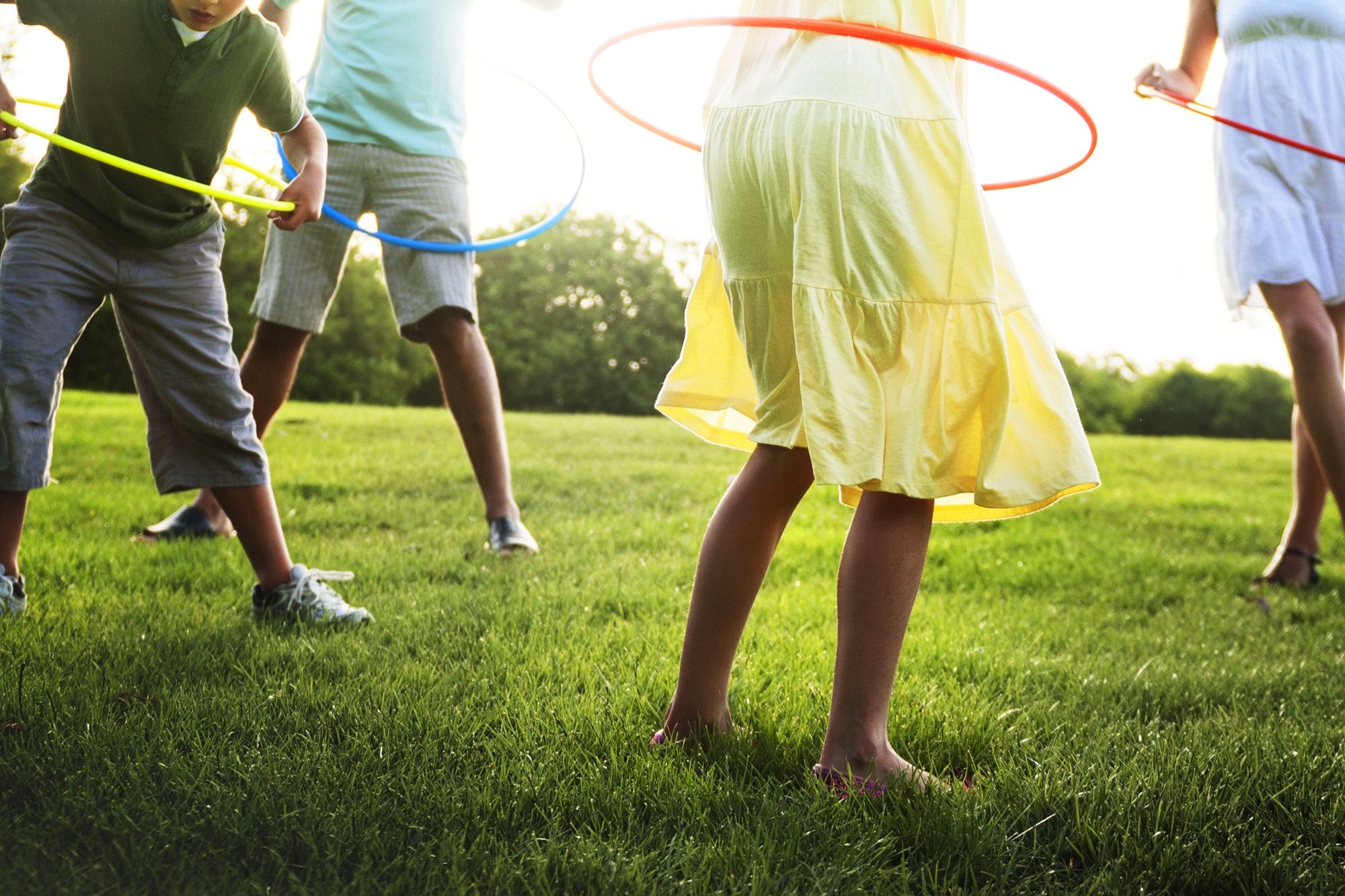
In today's fast-paced world, it's more important than ever to prioritize physical activity and maintain a healthy lifestyle. One of the best ways to do this is by engaging in regular exercise as a family. Not only does family exercise improve physical health, but it also strengthens family bonds and encourages a healthy lifestyle from a young age. We've consulted with physical fitness experts to compile a comprehensive list of fun exercise ideas for all ages, ensuring that your entire family stays active and engaged.Exercise Ideas for Young Children (Ages 2-6)At this age, children are naturally active and curious. Parent-child activities are an excellent way to bond while keeping your little ones moving. Try dancing together to your favorite songs, playing catch in the backyard, or engaging in a game of Simon Says that incorporates fun movements like jumping jacks or hopping on one foot. Group activities like Duck, Duck, Goose, obstacle courses, or scavenger hunts are also great for young children, promoting teamwork and friendly competition. Remember to consult with a fitness expert or pediatrician for age-appropriate activities and safety considerations, ensuring that your child gets the most out of their exercise experience.Exercise Ideas for Children and Pre-teens (Ages 7-12)As children grow older, they develop more refined motor skills and are able to participate in more challenging activities. Family challenges like hula hoop contests, jump rope competitions, or relay races can be both fun and motivating for this age group. Outdoor activities like biking, hiking, or geocaching are also excellent options for children and pre-teens, offering opportunities for exploration and adventure while staying active. Fitness experts recommend promoting healthy competition and fostering teamwork through these activities, helping your child build valuable social skills and a strong sense of accomplishment.Exercise Ideas for Teenagers (Ages 13-17)Teenagers often have their own preferences and interests when it comes to physical activity. Encourage them to participate in sports like basketball, soccer, or volleyball, which can be played with friends or as part of a family game. Alternatively, consider enrolling your teenager in fitness classes like yoga, martial arts, or dance, which can help them develop discipline, focus, and a sense of belonging. Experts advise engaging teenagers in the decision-making process, respecting their preferences, and offering support as they explore new activities.Exercise Ideas for Adults and SeniorsPhysical activity is essential for maintaining overall health and well-being at any age. Adults and seniors can benefit from low-impact activities like walking, swimming, or Tai Chi, which offer gentle yet effective exercise options. Group exercises such as circuit training, aqua aerobics, or chair exercises can also be enjoyable and beneficial, providing social interaction and motivation. Fitness experts recommend adapting activities to individual abilities and limitations, ensuring a safe and enjoyable experience for all.Creating a Family Fitness RoutineEstablishing a consistent family fitness routine is crucial for maintaining motivation and achieving long-term health benefits. Begin by assessing each family member's interests and abilities, and then schedule regular exercise times that accommodate everyone's needs. Set achievable goals, whether they involve distance, duration, or personal improvement, to help maintain motivation and celebrate progress. Fitness experts emphasize the importance of consistency and encouragement, fostering a positive and supportive environment for your family's fitness journey.Making Exercise Fun and EngagingIncorporating technology and apps into your family's exercise routine can make staying active more enjoyable and engaging. Fitness trackers, exercise games, and online workout classes are all excellent ways to keep your family motivated and entertained. Additionally, consider creating themed exercise days, like superhero workouts, dance party Fridays, or outdoor adventure Sundays, to add an element of excitement and variety. Fitness experts recommend regularly switching up activities and incorporating new challenges to prevent boredom and maintain engagement.ConclusionIncorporating regular exercise into your family's routine is essential for promoting a healthy lifestyle and creating lasting memories together. By trying out the suggested activities in this article, you'll be well on your way to keeping your family active and engaged, regardless of age or fitness level. Remember to consult with physical fitness experts when necessary and adapt activities to suit each individual's needs and abilities. Don't be afraid to get creative and think outside the box when it comes to family exercise – the possibilities are endless. We encourage you to share your success stories and any additional ideas you have for keeping your family active and having fun together. Here's to a happier, healthier family!
Read More