

MORE
5 Benefits of Hands-on Learning in a Tech-Crazed World
Kids today are spending an exorbitant amount of time glued to their electronics. A survey published by Common Sense Media found that nearly all children aged 8 and under live in a home with some type of mobile device and spend an average of 2.25 hours a day on screens. This media time only increases with age—tweens use an average of 6 hours, not including time spent using media for school and homework, and teens are up to an average of 9 hours daily.
Being tied to phones, tablets, and computers takes away from handson learning time, which is unfortunate since these types of experiences provide so many critical benefits to children as they grow and develop. As media becomes the go-to teaching tool in classrooms, it is imperative that we find fun and creative ways for kids to experience more hands-on, interactive learning opportunities at home. First, let’s dive into five key benefits of hands-on educational experiences for children.
When children are primarily learning by reading, listening, and watching, they miss out on a key component of the educational experience that can only happen by doing. Kids of all ages thrive when they are provided with interactive, engaging, meaningful educational experiences. According to Brookings Institution, students who are engaged in hands-on learning are much more likely to remember what they were taught. Interestingly, when children are physically engaged in an activity, they process the information differently and learn more effectively. Simply reading about a concept in a textbook or watching a demonstration in class is just not the same as physically experiencing what you are learning about. A research study from the University of Chicago measured this concept using brain scans and found that students who engaged in a hands-on approach to learning scientific concepts were more activated in the sensory and motor-related parts of their brain. This also led to better quiz scores.
When children are part of something so fascinating that it fills them with awe, like a science experiment or art project, they get excited about it and want to learn more. Hands-on experiences like these can spur curiosity in children, which is so critical to their growth and success. Even though their constant questions may be exhausting for us at times, their curiosity is exactly what we want to see from them so that they continue to crave and seek out new knowledge. “One of our most important jobs as parents is to nurture kids’ innate curiosity. Not only is curiosity linked to academic achievement, it is tied to happiness in the long-term as well,” says Sandy Polu, PhD, founder of plumsparkkids.com, a creative learning subscription box for kids. “The key is to encourage curiosity in a way that is relevant and appropriate for the child.”
Part of the problem with all of this technology is that kids are losing the ability to communicate and interact with others in person. When they hide behind their devices instead of talking face to face with their friends and family, they miss out on a major chance for emotional connection. According to Psychology Today, this kind of communication interferes with actual conversation and undermines our ability to connect with others. As children are constantly exposed to these quick and impersonal ways of expressing themselves, they miss out on learning how to accurately convey their thoughts and feelings.
When we engage our children in fun hands-on activities, it opens a whole new world to them in which they need to ask questions, explain directions, and talk to others about the project. These projects also provide a special bonding time for parents and children or siblings to take on a challenge and work together. Whether it’s baking in the kitchen, working on a garden, or conducting a science experiment, kids will learn so many important social skills from the experience. These types of projects are also a great opportunity to invite over some neighbors or friends for a playdate so that the kids can work on a creative project together instead of staring at screens.
It’s one thing to observe art in a museum or watch a building being constructed in a video, but it’s another thing for kids to actually create masterpieces with their own hands. These types of activities allow children to tap into their own creativity and explore as they go. It gives them a direct sensory experience, which offers a more in-depth way of learning about a subject. It also provides a chance to stretch their imagination as much as possible.
When a child has the opportunity to directly work on a project, such as a science experiment, from start to finish, they can feel a sense of accomplishment when they see the results. They then become empowered, which leads to more confidence when they face the next challenge. They also learn from their mistakes and failures, which only makes them more resilient in the future. If the experiment does not come out as planned, they will learn to ask why and make adjustments the next time they work on it. Finally, the encouragement they will get from accomplishing a hands-on project will increase their self-esteem, which will seep into all aspects of their life, such as sports, school work, and relationships.
There are a number of ways for us to share hands-on learning experiences with children of all ages.
Working on science experiments is one of the best ways for kids to get excited about STEM in a hands-on manner. By working together on the experiments, your children will have the chance to get creative, follow directions, work with new science tools, challenge themselves to learn something new, and have fun being fascinated by science.

Polu believes that doing science experiments at home is a great way to demonstrate that science is all around us. “A good experiment shows kids that science is fundamentally about understanding the world we live in—whether it’s figuring out fun concepts like why milk chocolate melts in our hands or testing which sunblock works the best.”
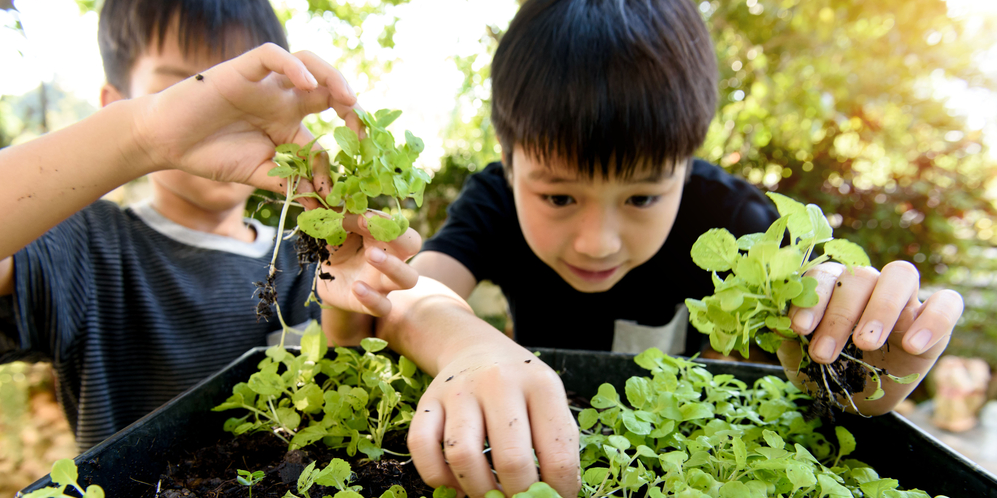
Working on a family garden together is another great way for children to grab some hands-on learning. By getting their hands dirty—literally—they learn to appreciate nature, hard work, and where the food we eat comes from. Because they play a direct role in growing the fruits and vegetables that they see with their own eyes, touch with their own hands, and taste with their own mouths, they are filled with accomplishment and joy.
Art projects are one of the easiest ways for children to experience tactile learning. Yes, they can color on an iPad by swiping their finger from side to side, but that does not compare to actually holding a crayon in their hands and using different types of pressure to transfer colors onto the paper. Arts and crafts help stimulate a child’s creativity and imagination that can’t be replicated by any electronic program.
Inviting the kids into the kitchen to help cook a meal or bake some treats can be a wonderful hands-on learning experience for them. Preparing a meal involves choosing a recipe, following directions, tracking time, measuring, and even working on simple math equations. Kids also have the chance to touch and feel the different ingredients. Although there are apps for baking cookies and making ice cream sundaes, nothing beats whipping up a delicious treat with your own hands!
Think this article is useful? Share it with others.
How likely are you to recommend our website to a friend or family member?
Please choose one of the following options
Attention, readers! We would love to review articles written by residents of the communities we serve. If you think you have a great idea for an article or have already written an article and would like to share it with us, click 'submit' to upload your article for consideration
Parent LivingPlus is more than just a business directory, event calendar, or job board — we’re a virtual community center. We're the place to come when you want to explore your neighborhood and get the most out of the time you spend with your friends and family!



Check out these sponsored business listings.
 Facebook
 Email
Email