Blogs

Author: The Nemours Foundation/KidsHealth®

KIDS AND EXERCISE
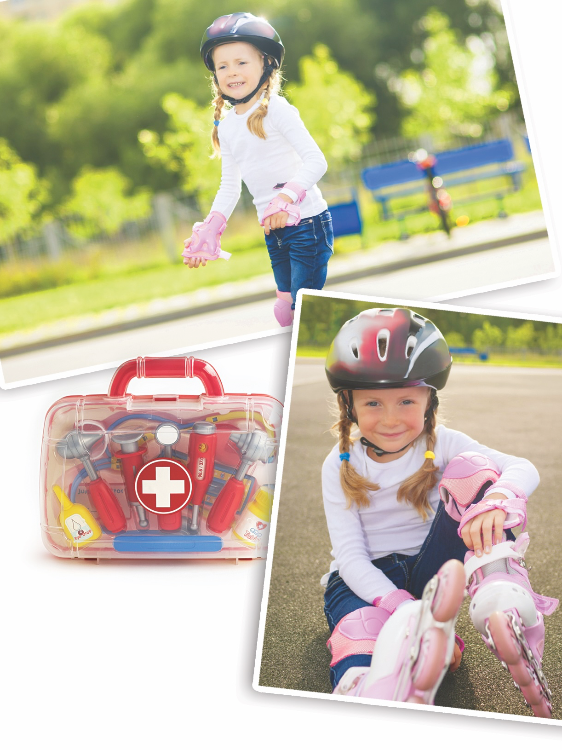
The Many Benefits of ExerciseEveryone can benefit from regular exercise. Kids who are active will:have stronger muscles and boneshave a leaner body because exercise helps control body fatbe less likely to become overweightdecrease the risk of developing type 2 diabetespossibly lower blood pressure and blood cholesterol levelshave a better outlook on lifeBesides enjoying the health benefits of regular exercise, kids who are physically fit sleep better and are better able to handle physical and emotional challenges—from running to catch a bus to studying for a test.The Three Elements of FitnessIf you've ever watched kids on a playground, you've seen the three elements of fitness in action when they:run away from the kid who's "it" (endurance)cross the monkey bars (strength)bend down to tie their shoes (flexibility)Parents should encourage their kids to do a variety of activities so that they can work on all three elements.Endurance is developed when kids regularly engage in aerobic activity. During aerobic exercise, the heart beats faster and a person breathes harder. When done regularly and for extended periods of time, aerobic activity strengthens the heart and improves the body's ability to deliver oxygen to all its cells.Aerobic exercise can be fun for both adults and kids. Examples of aerobic activities include:basketballbicyclingice-skatinginline skatingsoccerswimmingtenniswalkingjoggingrunningImproving strength doesn't have to mean lifting weights. Although some kids benefit from weightlifting, it should be done under the supervision of an experienced adult who works with them.But most kids don't need a formal weight-training program to be strong. Push-ups, stomach crunches, pull-ups, and other exercises help tone and strengthen muscles. Kids also incorporate strength activities in their play when they climb, do a handstand, or wrestle.Stretching exercises help improve flexibility, allowing muscles and joints to bend and move easily through their full range of motion. Kids look for opportunities every day to stretch when they try to get a toy just out of reach, practice a split, or do a cartwheel.[[image1]]The Sedentary ProblemThe percentage of overweight and obese kids and teens has more than doubled in the past 30 years. Although many factors contribute to this epidemic, children are becoming more sedentary. In other words, they're sitting around a lot more than they used to.According to the Kaiser Family Foundation, 8- to 18-year-olds watch about 4.5 hours of television a day. And the average kid spends 7 hours on all screen media combined (TV, videos and DVDs, computer time outside of schoolwork, and video games).One of the best ways to get kids to be more active is to limit the amount of time spent in sedentary activities, especially watching TV or playing video games. The American Academy of Pediatrics (AAP) recommends these limits on screen time:kids under age 2 should watch no TV at allkids older than 2 should be restricted to just 1-2 hours a day of quality programming How Much Exercise Is Enough?Parents should make sure that their kids get enough exercise. So, how much is enough? Kids and teens should get 60 minutes or more of physical activity daily.The National Association for Sport and Physical Education (NASPE) offers these activity guidelines for infants, toddlers and preschoolers: AgeMinimum Daily ActivityCommentsInfantNo specific requirementsPhysical activity should encourage motor developmentToddler1½ hours30 minutes planned physical activity and 60 minutes unstructured physical activity (free play)Preschooler2 hours60 minutes planned physical activity and 60 minutes unstructured physical activity (free play)School Age1 hour or moreBreak up into bouts of 15 minutes or moreInfants and young children should not be inactive for prolonged periods of time—no more than 1 hour unless they're sleeping. And school-age children should not be inactive for periods longer than 2 hours.Raising Fit KidsCombining regular physical activity with a healthy diet is the key to a healthy lifestyle.Here are some tips for raising fit kids:Help your kids participate in a variety of age-appropriate activities.Establish a regular schedule for physical activity.Incorporate activity into daily routines, such as taking the stairs instead of the elevator.Embrace a healthier lifestyle yourself so that you'll be a positive role model for your family.Keep it fun so that you can count on your kids to come back for more. © 1995- 2014 . The Nemours Foundation/KidsHealth® Reprinted with permission Reviewed by: Mary L Gavin, MD, Date reviewed: February 2012
Read More
ARE THE HOLIDAYS TOO MATERIALISTIC?
It’s the day after Thanksgiving, and Emily is in the mall stressing out about finding the perfect gift for her best friend, Sam. She and Sam set aside a day every holiday season to exchange presents. But this year Emily can’t find anything affordable that she thinks Sam would like. So this year Emily decides she’ll make her own gifts.Lots of people feel stressed out about buying and giving gifts around the holidays. Even before the economy took a nosedive, lots of teens thought the holidays were too materialistic and too much about the gifts than the feelings behind them.The Tradition of Holiday GiftsWhy do people give gifts in the first place? Throughout the world, many cultures mark special holidays with gifts and food. Holiday traditions bring people together and allow us to feel a part of family and community. The gifts and food that we share are all about expressing a sense of gratitude, joy, and abundance.The gifts of a few generations ago were probably more humble and homemade. Even the people who could afford extravagant presents probably didn’t do as much buying and spending as we do today. Our culture has grown more commercial, and gift giving has become a booming industry. Sometimes the original meaning behind the tradition gets lost, and the gift giving takes on a life of its own.Not only is the pressure on to spend money on the right present, but many people also find that when gifts become the focal point of a holiday, it puts too much emphasis on receiving, too. It’s all too easy to have high expectations of what’s in that beautifully wrapped box — and that can set anyone up for disappointment.When the materialistic aspects of the holiday overshadow its meaning, that can leave people feeling empty and wishing for something more. It's no wonder that we often hear about people having the “holiday blues”—feeling sad or empty instead of happy and fulfilled.The advertisements we see around the holidays also can help foster unrealistic expectations. With all the pressure to buy the perfect gifts, get the perfect outfit, have the perfect party and get along perfectly with our perfect families and friends, it’s hard for reality to measure up.Not all people think the holidays are too materialistic, of course. Most appreciate the traditional aspects of the holidays, like getting together and celebrating with friends and family. And some love shopping and are just fine with all the giving and receiving.But if you’re feeling a little hollow about the holidays, what can you do? One way to take back the holiday spirit is to focus on traditions and service—and on putting real meaning into your giving.The Gift of Holiday TraditionMany families look forward to holiday traditions each year. Katie and her family attend their Christmas Eve church service and then head to her aunt’s house to enjoy the rest of the evening with a big meal. Christmas morning, they all open presents and sit together in the Christmas spirit. On Christmas morning, the family gathers at Katie’s grandmother’s house and opens presents.“Our Christmas Eve and Christmas Day family tradition is the one thing I can’t wait for all year!” Katie says. “I must admit, though, that it's the presents that make me excited.” Although Katie loves giving and receiving gifts, the family traditions help her keep a healthy perspective on presents.Traditions that center on family or friends can be a great way to knock those presents off their starring role and put meaning back into the holidays. Here are a couple of ideas:Decide which family traditions you love the most.What can you do to put more emphasis on them? If you love the tradition of lighting the menorah, get together as a group to make your own candles. If you enjoy the family trip to pick out a tree, make it an all-day event where you head to a tree farm to choose your own.Find out what the holidays mean to others.Talk to a grandparent, parent, uncle or aunt about how he or she spent the holidays growing up. Some holiday traditions that used to be strong — such as neighborhood caroling — are all but lost today. Maybe you’d like to revive some of these as a way to share some holiday spirit with your family, friends, or community.Build some new traditions.If you don’t have any family traditions, it’s never too late to start. Get together around activities that you all enjoy, such as cooking or ice skating.Serving OthersFor many people, the holidays are about helping the less fortunate. Rather than buying presents for each other, friends in a Vermont snowboard club get together to help feed homeless shelters and give the homeless a day to remember. They begin preparing at the start of the season, making sure they have food to donate on the mountain to serve during their ski and snowboard day. At the end of the day, the group visits the shelter to distribute the gear—along with a little extra. Says Jay, 18, one of the organizers, “We tell them, 'Now you guys are coming with us and we're going to teach you how to ski or snowboard all day for free. ' It's awesome to know that we are able to take their minds off the stress in their lives for one day.” For these friends, working together to help the homeless makes their bonds stronger. They feel like a part of each other's lives in a meaningful way.One key to a relaxing and meaningful holiday is finding what works best for you, both in terms of gift giving and other holiday traditions.Gifts with MeaningMelissa likes to make individual photo albums for each of her friends. “I know this takes a lot of time, but I do it because I love to sit with my friends and watch them smiling and laughing over the fun times we’ve had together,” Melissa says.Amy, one of Melissa’s friends, received one of these scrapbooks during the holiday season last year. She says the scrapbook was really touching. “I thought it was so cool how Melissa sat down for hours and put thought into making my present.”Do you feel like the surprise and excitement of gift giving that you remember from childhood is missing now that you’re older? If you’re among the many people who feel they’re buying their holiday spirit, what can you do to take back the real enjoyment of the season?Here are some ideas for putting meaning back into giving:Get creative. It’s a great way to express yourself and feel fulfilled. Design your own holiday cards (or your family’s cards). Decorate your home, or bake something delicious to share. Make a pact to give homemade gifts and create original presents.Shop at alternative gift fairs. Lots of communities hold fairs where you can make, or buy, a donation to causes your family and friends care about.Give gifts that have special significance. Your dad may be thrilled when you present him with a carefully researched and beautifully drawn family tree. Your grandmother may love the gift of your time to help her learn how to use a computer. “These days, when everyone’s so stretched,” one expert says, “a gift of time can be more meaningful than one that costs big bucks.”Not all store-bought gifts are bad, of course. Shopping can be stressful for some, but for others, it’s all about convenience. For Jay, spending money means saving time. “I find it easy buying a gift because once I see something I think the guys will like, I can buy one for each of them,” he says. This approach wasn’t Melissa’s style, but it shows how everyone is different when it comes to gift giving.One key to a relaxing and meaningful holiday is finding what works best for you and then focusing your energies on those aspects that leave you feeling most fulfilled. That can help you let go of the stuff that may be stressing you out.
Read More
CREATING A READER-FRIENDLY HOME
A home filled with reading material is a good way to help kids become excited readers. What kind of books should you have? Ask your kids about their interests. If they’re too young to tell you, ask your local librarian for suggestions about age-appropriate books. Also, you can visit Reading BrightStart! to find book suggestions for children from birth to age 5. Here are some other tips: Keep a Variety of Reading Materials Collect board books or books with mirrors and different textures for babies. Preschoolers enjoy alphabet books, rhyming books, and picture books. Elementary-age kids enjoy fiction, nonfiction, and poetry, plus dictionaries and other reference books. Kids can understand stories they might not be able to read on their own. If a more challenging book interests your child, read it together. Younger kids can look at illustrations in books and ask questions as they follow along. Besides books, your kids might also enjoy: • magazines (for kids) • audio books • postcards, emails, and text messages from relatives • photo albums or scrapbooks • newspapers • comic books• the Internet • beginning reading and alphabet games on a computer/tablet • magnetized alphabet letters • e-readers or e-books Keep Reading Materials Handy Keep sturdy books with other toys for easy exploration. Books near the changing table and high chair can be helpful distractions for younger kids. Plastic books can even go in the bathtub. Keep books next to comfy chairs and sofas where you cuddle up so you can read after feedings and before naps. Create a Special Reading Place As your kids grow: • Keep books and magazines on shelves they can reach in their favorite hangouts around the home. Make these shelves inviting and keep them organized. • Place some of the books with the covers facing out so they’re easy to spot. • Put a basket full of books and magazines next to their favorite places to sit. • Create a cozy reading corner, and encourage your kids to use it by setting up “reading corner time” each day.Make It Inviting Make sure reading areas have good lighting. Change the materials often—add seasonal books, rotate different magazines, and include books that are about topics your kids are interested in or learning about in school. Decorate the corner with your child’s artwork or writing. Keep a CD or other music player nearby for audio books. Encourage Creativity Set up a writing and art center and encourage your kids to make books, posters, or collages that they decorate with their own pictures and writing. Kids love to read things they’ve written themselves or to share their creations with family and friends. Ask your kids to act out the story. Think About the Reading Environment Other ways to encourage your kids to read: • Limit your kids’ screen time (including TV, computer, smartphones, tablets, and video games) to make sure they have time for reading. • Keep reading activities family-centered, and guide your child in reading activities and media. Even with today’s high use of technology, you can decide how much print and how much media to allow into story time. Reading e-books doesn’t have to mean giving up lap-time. Make sure to snuggle up with a story often, in whatever format.• Read together. Read a book aloud or ask your child to read to you from a favorite magazine or book. Make a habit of sitting together while you each read your own books, sharing quiet time together.
Read More
HELPING KIDS HANDLE WORRY
HELPING KIDS  HANDLE WORRYKids don’t have to pay bills, cook dinners, or manage carpools. But—just like adults—they have their share of daily demands and things that don’t go smoothly. If frustrations and disappointments pile up, kids can get stressed or worried. It’s natural for all kids to worry at times, and because of personality and temperament differences, some may worry more than others. Luckily, parents can help kids learn to manage stress and tackle everyday problems with ease. Kids who can do that develop a sense of confidence and optimism that will help them master life’s challenges, big and small. WHAT DO KIDS WORRY ABOUT? What kids worry about is often related to the age and stage they’re in. Kids and preteens typically worry about things like grades, tests, their changing bodies, fitting in with friends, that goal they missed at the soccer game, or whether they’ll make the team. They may feel stressed over social troubles like cliques, peer pressure, or whether they’ll be bullied, teased, or left out. Because they’re beginning to feel more a part of the larger world around them, preteens also may worry about world events or issues they hear about on the news or at school. Things like terrorism, war, pollution, global warming, endangered animals, and natural disasters can become a source of worry.​​HELPING KIDS CONQUER WORRY To help your kids manage what’s worrying them: Find out what’s on their minds:  Be available and take an interest in what’s happening at school, on the team, and with your kids’ friends. Take casual opportunities to ask how it’s going. As you listen to stories of the day’s events, be sure to ask about what your kids think and feel about what happened. If your child seems to be worried about something, ask about it. Encourage kids to put what’s bothering them into words. Ask for key details and listen attentively. Sometimes just sharing the story with you can help lighten their load. Show that you care and understand.  Being interested in your child’s concerns shows that they’re important to you too and helps kids feel supported and understood. Reassuring comments can help—but usually only after you’ve heard your child out. Say that you understand your child’s feelings and the problem. Guide kids to solutions.  You can help reduce worries by helping kids learn to deal constructively with challenging situations. When your child tells you about a problem, offer to help come up with a solution together. If your son is worried about an upcoming math test, for example, offering to help him study will lessen his concern about it.In most situations, resist the urge to jump in and fix a problem for your child—instead, think it through and come up with possible solutions together. Problem-solve with kids, rather than for them. By taking an active role, kids learn how to tackle a problem independently. Keep things in perspective.  Without minimizing a child’s feelings, point out that many problems are temporary and solvable, and that there will be better days and other opportunities to try again. Teaching kids to keep problems in perspective can lessen their worry and help build strength, resilience, and the optimism to try again. Remind your kids that whatever happens, things will be OK. So, for example, if your son is worried about whether he’ll get the lead in the school play, remind him that there’s a play every season—if he doesn’t get the part he wants this time, he’ll have other opportunities. Acknowledge how important this is to him and let him know that regardless of the outcome, you’re proud that he tried out and gave it his best shot. Make a difference.  Sometimes kids worry about big stuff— like terrorism, war, or global warming—that they hear about at school or on the news. Parents can help by discussing these issues, offering accurate information, and correcting any misconceptions kids might have. Try to reassure kids by talking about what adults are doing to tackle the problem to keep them safe. Be aware that your own reaction to global events affects kids too. If you express anger and stress about a world event that’s beyond your control, kids are likely to react that way too. But if you express your concern by taking a proactive approach to make a positive difference, your kids will feel more optimistic and empowered to do the same. So look for things you can do with your kids to help all of you feel like you’re making a positive difference. You can’t stop a war, for example, but your family can contribute to an organization that works for peace or helps kids in war-torn countries. Or your family might perform community service to give your kids the experience of volunteering.Offer reassurance and comfort.  Sometimes when kids are worried, what they need most is a parent’s reassurance and comfort. It might come in the form of a hug, some heartfelt words, or time spent together. It helps kids to know that, whatever happens, parents will be there with love and support. Sometimes kids need parents to show them how to let go of worry rather than dwell on it. Know when it’s time to move on, and help kids shift gears. Lead the way by introducing a topic that’s more upbeat or an activity that will create a lighter mood. Highlight the positive.  Ask your kids what they enjoyed about their day, and listen attentively when they tell you about what goes great for them or what they had fun doing. Give plenty of airtime to the good things that happen. Let them tell you what they think and feel about their successes, achievements, and positive experiences—and what they did to help things turn out so well. Schedules are busy, but make sure there’s time for your kids to do little things they feel good doing. Daily doses of positive emotions and experiences—like enjoyment, gratitude, love, amusement, relaxation, fun, and interest—offset stress and help kids do well. Be a good role model.  The most powerful lessons we teach kids are the ones we demonstrate. Your response to your own worries, stress, and frustrations can go a long way toward teaching your kids how to deal with everyday challenges. If you’re rattled or angry when dealing with a to-do list that’s too long, your kids will learn that as the appropriate response to stress. Instead, look on the bright side and voice optimistic thoughts about your own situations at least as often as you talk about what bothers or upsets you. Set a good example with your reactions to problems and setbacks. Responding with optimism and confidence teaches kids that problems are temporary and that tomorrow’s another day. Bouncing back with a can-do attitude will help your kids do the same.  
Read More

Creative Indoor Fun for Kids
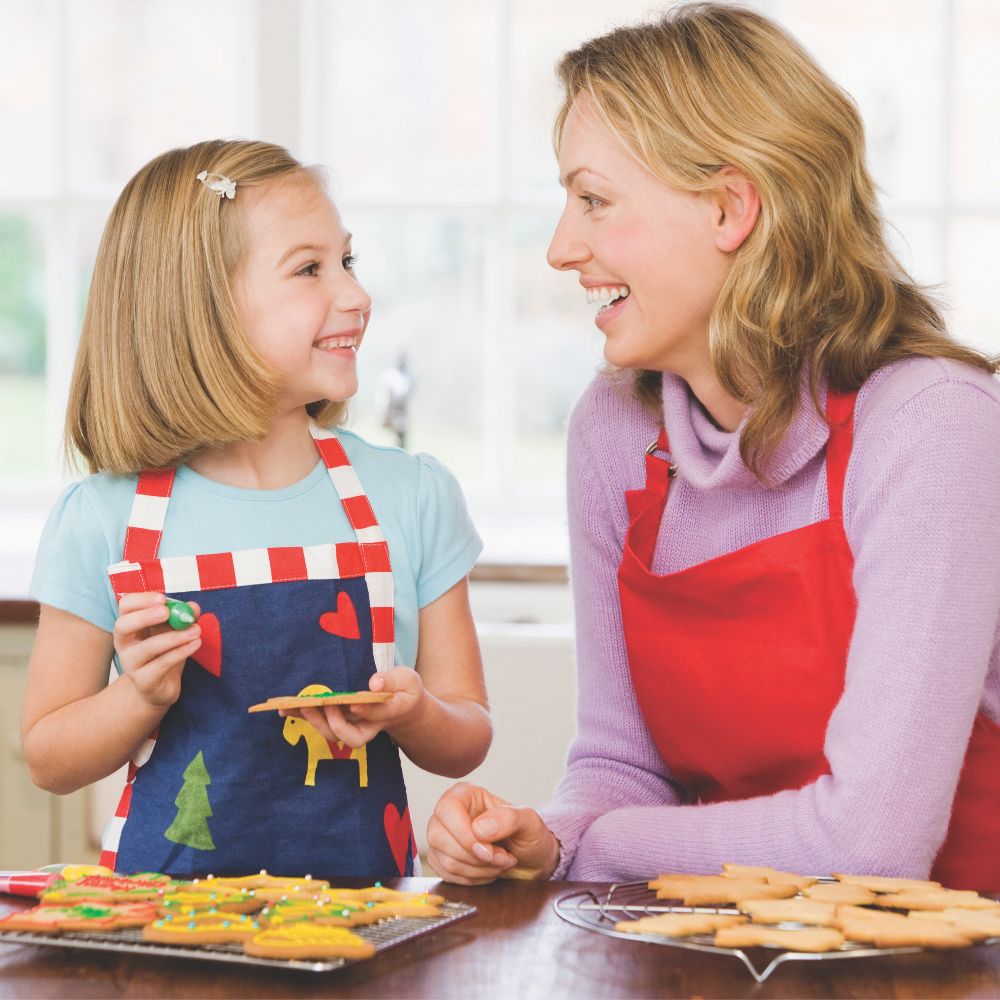
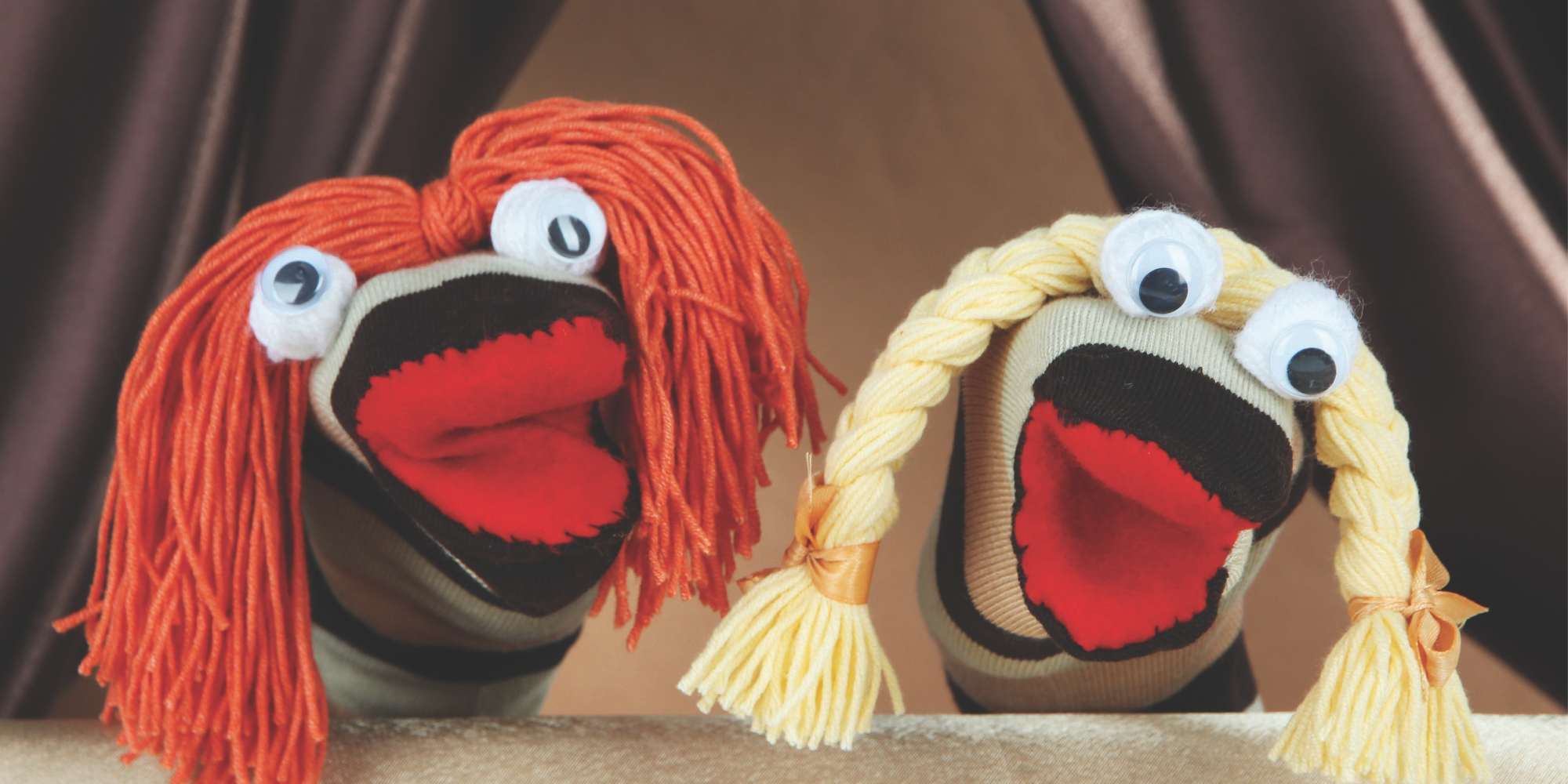
When rain or snow puts a damper on playing outside and cabin fever is driving everyone bonkers, these quick play-and-pretend ideas will keep kids occupied and happy for hours: Put on a Show with Homemade Puppets We’ve all created puppets out of cotton socks, paper bags, markers, and a handful of buttons. But kids can get really creative with a cool grab-bag of puppetry accessories that you gather and store in a special Puppet Box. As you’re cleaning the house or shopping at grocery, thrift or dollar stores, keep an eye out for fun adornments for homemade puppets.Collect and buy: glitter, dried beans, sequins, tinsel, pipe cleaners, string, ribbons, yarn, buttons and appliqués, holiday decorations, stickers, seashells, etc. (beware of small objects, though, that could pose a choking hazard for small children).Also keep your Puppet Box stocked with must-have items like glue, scissors, washable markers, popsicle sticks, and a needle and thread (when sewing, supervise young kids or do sewing projects yourself). Also, keep a few small cardboard boxes—folded and flattened for easy storage—to cut out and color for nifty background scenes and props.Build a Fort Get out some old sheets, blankets or comforters and drape them over the living or dining room furniture. (Be extra careful around breakable and valuable items.) Use ribbons from your sewing kit, or hair scrunchies and hair ties, to secure the bottoms of the fabrics to chairs and tables.Have kids create a secret password that allows outsiders (e.g., Mom and Dad, siblings) into the private hideaway. Give your kid a battery-operated camping lantern, sleeping bags, camping-themed books, and flashlights for that added outdoorsy appeal.Have kids create a  secret password that  allows outsiders into the  private hideaway.Create a Rainy-Day Dress-Up Chest Keep an eye out for interesting old clothes items and accessories around the house, on discount racks, and at dollar stores or thrift shops. Stock up on scarves, funky hats (cowboy hats, sombreros, team baseball caps, construction hard hats, etc.), costume jewelry, shoes (adults’ and kids’), shirts (oversized white shirts for doctors’ lab coats, Hawaiian shirts for a luau, etc.), dresses, skirts and jackets. Collect any piece of clothing or accessory that could lend itself to make-believe. Put the items in a sturdy plastic storage bin or cardboard box. T hen pull out the dress-up chest for plenty of imagination-powered entertainment during rainy or super-snowy days. Make Thank-You Gifts Kids often like to thank their caregivers, grandparents, aunts and uncles, teachers, babysitters, neighbors, and childcare workers. Bake a few batches of cookies that your child can lovingly decorate and wrap with colored plastic wrap and ribbons; or create thank-you cards on regular old printer paper or construction paper. Add special glued-on adornments like family photos, ribbons, glitter and buttons (again, beware of small objects that could pose choking hazards for babies and toddlers). Help improve kids’ spelling and letter identification skills by letting them type and print out their own messages in fancy fonts on the computer. Instead of doing crafts just to get through the day, this project will help kids feel like their time and efforts are being spent on a greater purpose—giving to someone they care about
Read More