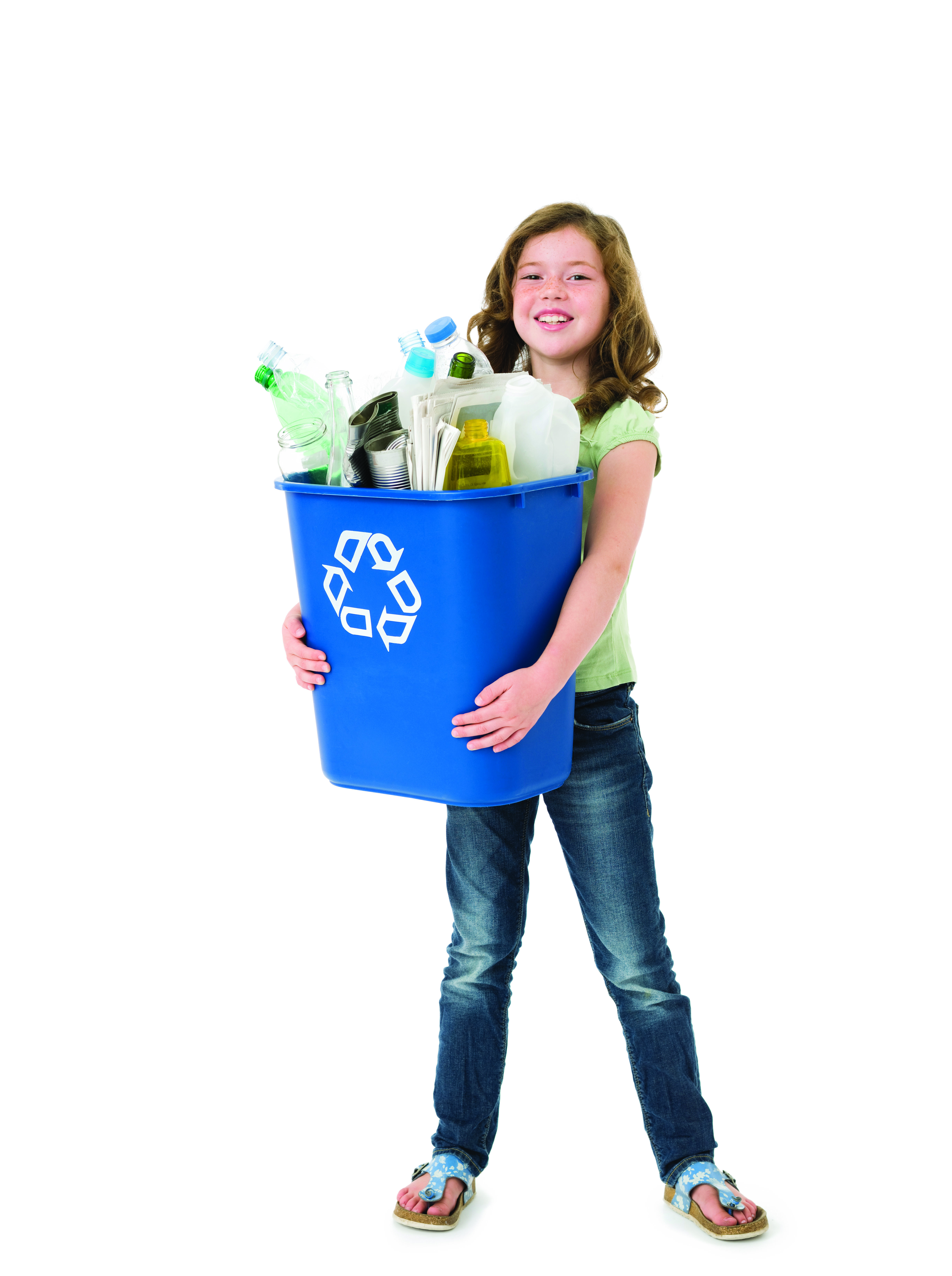
TAKE OUT THE TRASH!
Ashley checked the over-flowing trash can, again. “Jon, you need to empty the trash. How many times do I have to tell you?” Does this scenario sound familiar? As parents, having your kids learn and complete chores is not always easy, but it is an important dynamic for raising healthy kids. There are a variety of chores and tasks that have to be done to run a family household. Teaching and assigning your kids to complete chores has many benefits. “Kids learn responsibility, follow through, and a work ethic from chores,” says Tina Tessina, Ph.D., psychotherapist and author of Money, Sex and Kids; Stop Fighting about the Three things That Can Ruin Your Marriage. Younger Children Can Help Small children love to work with their parents. When you are doing dishes, push a chair up to the sink and allow your child to stand next to you and help. A young child can help wash dishes, or dry plastic dishes or pots and pans. As you are doing the chore, tell him how important his work is to the entire family. Young children can help tidy up. They can fold towels and wash cloths. They can carry their clothes to their room and may need some help to put away their clothes.“This is often more complicated than doing it yourself but it’s a great time to give the kids the idea that they are part of helping the house to run,” says Tessina. Consider the age of the child when assigning chores. You do not want to frustrate them by giving them too difficult of a chore. However, most children can do more than their parents expect them to. Small children love to work with their parents! Make Assignments When a child is learning a new chore, it is important for a parent to walk step by step through each part of the chore. For example, to teach a child to empty the trash, divide the chore into small incremental steps. Have your child pull out the trash bag as you stand next to her. Instruct her to tie up the trash bag and show her how to put a new trash bag in the trash can. Ask her why she thinks you need to put in another trash bag. Walk out to the garage and help her put the full trash bag inside the garbage can. You may have to stand alongside your child more than one time. Consider it time well invested in your child and in her future. Talk about why it’s important to have a clean house! A family chore system can be as simple as assigning daily and weekly chores to each child to an elaborate chore chart. Certain chores, such as sweeping floors, vacuuming or feeding pets, can be rotated on a weekly or monthly basis to cut down on the monotony of doing them. Have a family meeting and discuss the importance of family team work and how each chore is an integral part of family life. You and your spouse can make a list of the different chores and have your kids select chores they would like to perform. Some chores can be directly assigned to a specific child. You can also determine if there are any chores above and beyond the daily chores that your child can do to get paid. Keep a list of them around for a motivated child. Your family can set up a reward system or have allowance connected to completed constantly complains about a certain chore, determine if the chore is too difficult or if the child is trying to get out of the responsibility. Some parents explain that they don’t get paid if they don’t work. If chores are completed, more privileges are given, such as staying up later or having more computer time.Talk about Chores “Family chores are a clear demonstration of everyone’s responsibility to help the family function,” says Tessina. Talk about how important it is to have a clean house. When a room is clean and picked up, it is calmer and less stressful for everyone. While you and your child are making a salad, discuss cooking and how healthy meals are to help bodies grow. If you have an older child, explain to them that while some chores are just plain hard or boring, they are still a necessary part of life. Parents’ Reminder One of the hardest parts of teaching kids chores is the fact that parents need to check the chore and how complete the chore was done. This is difficult because you would like to think your child will complete the task promptly and completely but that is not always the case. Studies have continuously shown that positive reinforcement changes behavior faster than negative reinforcement. Congratulate your child on how well she unloaded the dishwasher. Let her know that you appreciate the work she does around the house to help the family. Excuses, Excuses You will hear many different excuses. You can remind your child that if you or your husband didn’t cook dinner, then the rest of the family would go hungry. You can say, when you finish your dishes, then you can go outside and play. When you wipe the bathroom counters, you can go play your electronic game. If a child Tell your child you appreciate their help! Initially, training kids to do chores seems like more work than it is worth. However, as Tessina reminds, “chores prepare them for living in a college dorm, with a roommate, alone or with a future mate.” Eventually, your child will thank you for it.
Read More